How to Soundproof a Basement Ceiling
Learn how to soundproof a basement ceiling with insulation, drywall, and acoustic solutions. Explore costs, cheap DIY methods, and the best soundproofing options.
If your basement is used as a living space, office, gym, or rental unit, one of the biggest challenges is noise. Footsteps, conversations, or TV sounds from upstairs can easily travel through the floor joists, making the basement less comfortable. Learning how to soundproof a basement ceiling can dramatically improve privacy, comfort, and even property value.
Soundproofing is not just about blocking loud noises. It also helps reduce vibrations, echoes, and airborne sound, creating a space that feels quiet and private. Whether you need a professional solution or a cheap way to soundproof basement ceiling, the right method depends on your budget and purpose.
.jpg)
Noise travels through ceilings in two forms: airborne (voices, music, TV) and impact (footsteps, dropped items, moving furniture). Without proper basement ceiling soundproofing, the basement may always feel like a noisy extension of the house instead of a separate, livable area.
Key reasons why homeowners choose soundproofing basement ceiling include:

There are several techniques to reduce noise. Each comes with different costs and effectiveness levels. Below are the most commonly used options.
Adding mineral wool or fiberglass batts between ceiling joists is one of the most affordable approaches. The insulation absorbs airborne noise, reducing echoes and muffling voices or TV sounds. However, this method alone does not block heavy impact noise like footsteps or moving furniture. It works best when combined with other techniques such as drywall or resilient channels.
Pros: Inexpensive, easy to install, improves thermal performance.
Cons: Limited effect against vibrations.
Resilient channels and sound isolation clips create a break between ceiling joists and drywall. This “decoupling” reduces the transfer of vibrations, which is crucial for impact noise. Combined with insulation, it significantly improves soundproofing.
Pros: Very effective against impact sounds.
Cons: Requires careful installation, reduces ceiling height slightly.
A drop ceiling is suspended below the existing joists, leaving a cavity that can trap sound. When paired with acoustic tiles, this solution provides good sound absorption. It’s popular for finished basements because it also hides wiring and pipes.
Pros: Attractive finish, easy access to utilities, decent sound absorption.
Cons: Reduces headroom, less effective than heavy drywall systems.
This is often considered the best way to soundproof a basement ceiling. Two layers of drywall with Green Glue in between provide mass and damping, blocking both airborne and structural sounds. It’s one of the most reliable but also more expensive options.
Pros: Excellent results, durable, professional-grade.
Cons: Higher cost, more complex installation.
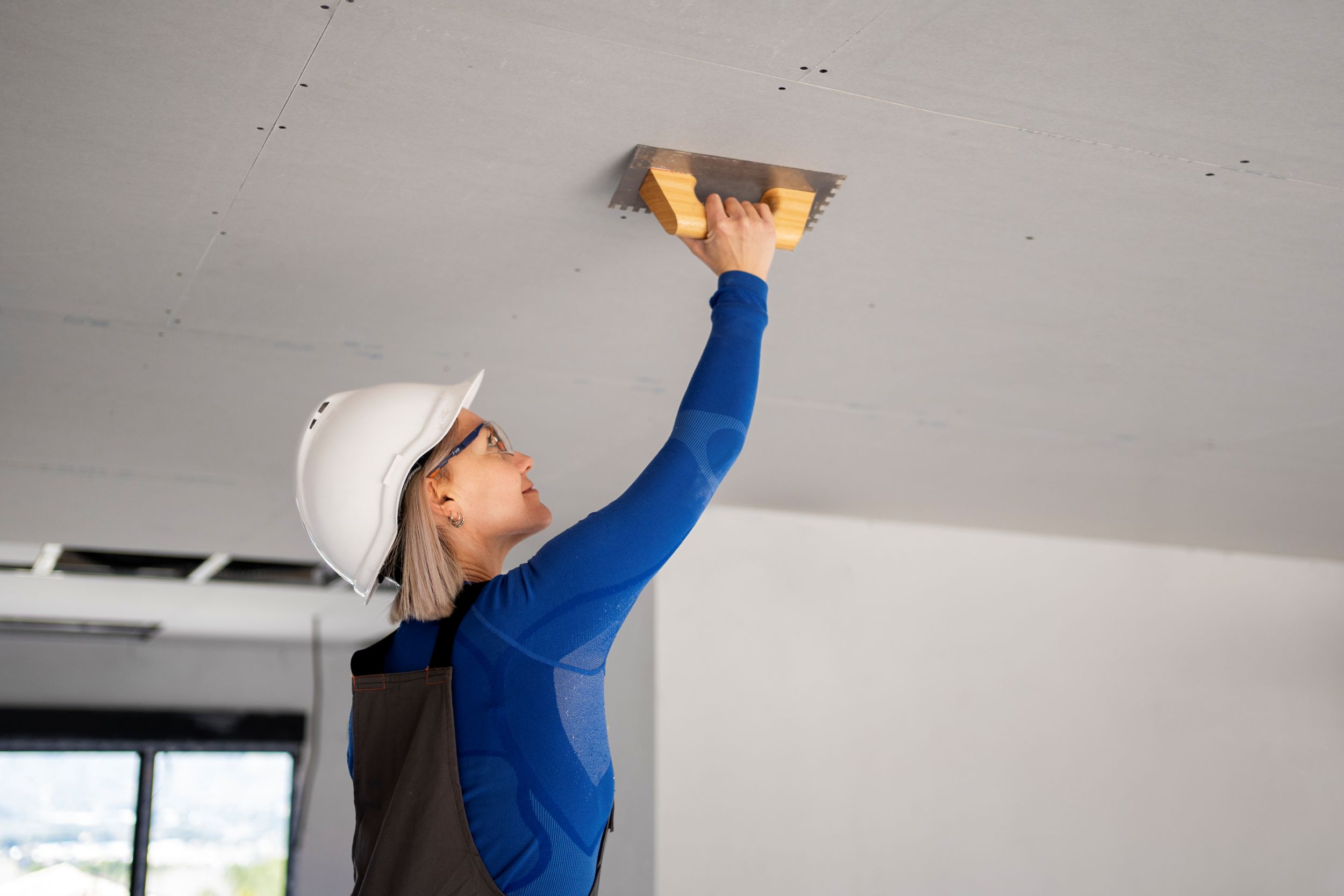
The most effective approach is a hybrid system:
Together, these methods address both airborne and impact noises. While this combination increases expenses and slightly reduces ceiling height, it delivers professional results that last for decades.
Not every homeowner wants or needs top-tier materials. Here are practical, budget-friendly options:
These methods may not provide total silence, but they are a cheap way to soundproof basement ceiling and are often enough for casual use.
The soundproof basement ceiling cost varies depending on the method, materials, and whether you hire contractors.
Other cost factors include:
For tailored estimates, homeowners in Ontario can rely on professional basement renovation experts in Mississauga, who provide detailed cost breakdowns and localized solutions.
This guide ensures lasting results when done properly. Homeowners confident in DIY can attempt it, but professionals guarantee efficiency and compliance with building codes.
Soundproofing your basement ceiling is one of the most impactful upgrades for comfort, privacy, and long-term value. Whether you choose budget-friendly insulation or invest in double drywall with Green Glue, the results will make your basement a more pleasant and versatile space.
If you’re considering a complete remodel, combining soundproofing with other improvements is often the most cost-effective route. For personalized advice and renovation services, explore House Renovations and discover professional solutions tailored to your needs.